Fellowship of the Spring

Students diving into a river
For more than 50 years, Appalachian towns have hosted Holy Cross students for one life-changing week.

The mission of Holy Cross’ storied Spring Break Immersion Program? It’s not service.

SATURDAY, FEB. 28 
HOGAN CAMPUS CENTER 
5:15 A.M. 

The orange moon hangs low in the sky as students trudge toward Hogan Campus Center in the dark. Suitcases, duffles and sleeping bags pile up on the stairs and along the sidewalk. Feelings of anticipation, excitement and a touch of anxiety hang in the air as groups start to greet each other with questions: “How much did you sleep?” and “How many alarms did it take to wake up?”

Aside from these 35 students, the snow-covered campus – remnants of a New England blizzard earlier in the week – is quiet and empty at this early hour. At the conclusion of classes one day earlier, most students departed for home or sunnier destinations, determined to escape a Worcester winter.

The students standing just inside Hogan’s doors, however, made a different choice. 

Finally, the charter bus that will drive these students 12 hours south arrives, and in a sudden flurry of activity, bags are loaded, seats are found, attendance is taken. Pink starts to creep over the horizon as the bus pulls onto the highway to start the long drive to Virginia.

Twelve hours from now, the bus will pull into the Roanoke-Blacksburg Regional Airport, and four groups will pile into minivans and head for their respective destinations throughout the state: Ivanhoe, Barren Springs, Fries and Roanoke. Six days from now, they will make the same trip in reverse, but they won’t be the same people who left Worcester in the predawn dark. They will have formed new bonds, gained new perspectives and, often, been forever changed by the experience. 

They just don’t know it yet. 

For now, the students fall silent, and many fall back asleep. 

The 58th iteration of the College’s Spring Break Immersion Program (SBIP) has officially begun. 

° ° ° ° °

A defining program of the Chaplains’ Office, SBIP offers students the opportunity to spend a week living and working in solidarity with communities typically on the margins of society. The trips began in 1968 with a small group of students traveling to the Appalachian region as part of participation in the Catholic Appalachian Project. Over the years, the program has expanded beyond its original Appalachian sites to include locations in urban centers, farms dedicated to sustainability and places for adults with intellectual and developmental disabilities. This year, 105 students are heading to 17 sites across the country, spanning from Virginia and Kentucky to St. Louis and Washington State. They’ll spend the week helping complete various projects, getting to know the area and, most importantly, building relationships with the community and with each other.

What Poverty Tourism Is — And What It Isn’t
The difference between service and immersion

The Office of the College Chaplains has partnered with towns in the Appalachian region for more than 50 years as part of the College’s Spring Break Immersion Program (SBIP), and one distinction the chaplains are quick to make is that the experience should not be confused with poverty tourism. The latter is a polarizing practice in which tourists visit an impoverished location, often for their own self-interest, and engage in potentially exploitative activities, such as stereotyping locals or posting photos, without taking the time to get to know a community.

Learn more

“The mission of the immersion program is really to invite students to encounter our neighbors throughout the country,” explains Salena Ibrahim, assistant chaplain and director of Holy Cross’ domestic immersion programs. “We talk about being people with and for others – that’s such a buzzword in Jesuit higher education. The immersion program is really a way of living that.”

The students in the program are driven to join for various reasons. A few knew they wanted to participate from the moment they set foot on campus. Many heard about it from a friend or upperclassman who took part in the past. Some simply signed up on a whim, having no other plans for spring break. 

But beyond that initial impulse, nearly all realize there are deeper motivations at play. 

“In the fall of my freshman year, I was really closed off and hesitant to do anything at all,” says Barren Springs participant Han Pham ’28, an international student from Vietnam. But her peer mentor advised her to try SBIP that spring. “She told me that it would be a great opportunity to not only connect with people on campus, but also explore who I am at the core. I was like, ‘OK, why not, I’ll give it a try.’ And honestly, I feel like that’s one of the best decisions I ever made.”

Image
Two students walking
Fries, Virginia, co-leaders Julia Weir ’27 (left) and Keara Papa ’26.

“Everyone has a spring break, but not everyone has the opportunity to go somewhere completely brand new, to let go of any worries or thoughts you have about what’s going on at school or what’s going on in your life in general, and really challenge yourself to be present in the moment,” says Fries co-leader Keara Papa ’26. “That’s something I’ve always loved about SBIP. There’s so much to experience, and if you’re not present, you will miss it.”

SUNDAY, MARCH 1
BARREN SPRINGS, VIRGINIA
9:45 A.M. 

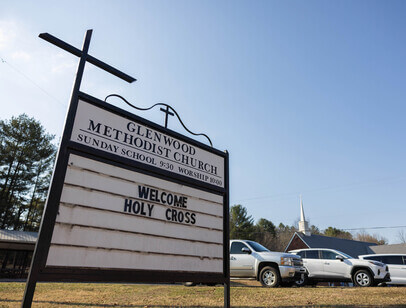
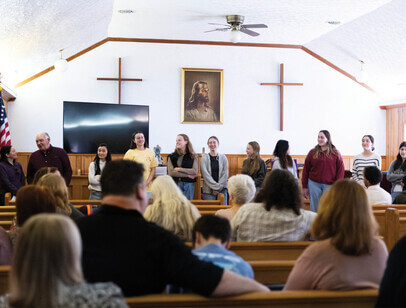
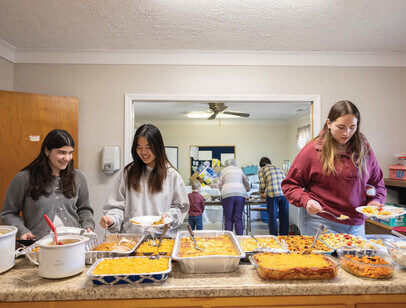
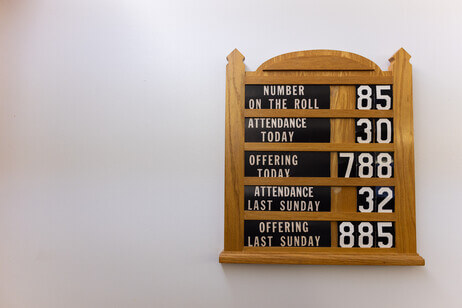
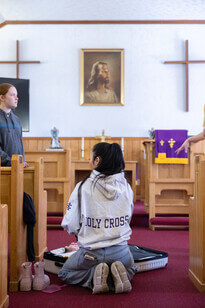
At Glenwood Methodist Church, the Sunday service is about to start. Community members are arriving with their arms full of dishes for the potluck afterward – homemade macaroni and cheese, sourdough rolls, countless casseroles, ham, turkey, potatoes, fudge, cakes and preacher cookies. The nine students in this all-female group, led by Allie Sawyer ’26 and Cate Telicki ’27, have moved their sleeping bags out of the church pews and are milling about in the hallway, talking with Larry, one of Barren Springs’ site contacts. The conversation is deeply personal for people who have only known each other for fewer than 12 hours, as Larry shares about his time in the Korean War, his PTSD and the recent loss of his best friend. Then, it takes a lighter turn as he quizzes the women on his four rules for life that he taught them upon their arrival last night:

1. “[People are] too quick to judge. 
2. Not supposed to judge. 
3. Not everyone works the same. 
4. I treat people the way I want to be treated.”

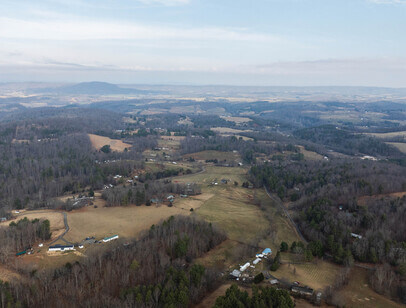
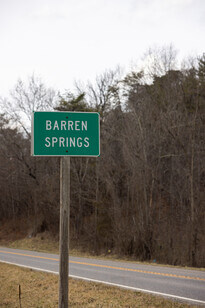
Barren Springs is a rural community in Wythe County, about an hour south of Roanoke. A couple hundred years ago, when the hills were mined for iron, it was a booming metropolis. Now, what remains is a town with a small, aging population and volunteer fire department, yet the community seems more close-knit than ever.

“They’re so willing to be vulnerable with each other,” Sawyer says. “I felt that was very moving because they talked about each other’s struggles and celebrated each other, and it just reminded me that being able to have those conversations helps communities grow closer, helps relationships build.” 

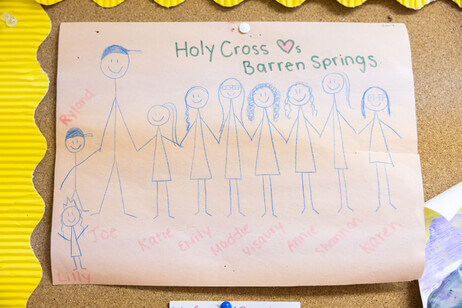
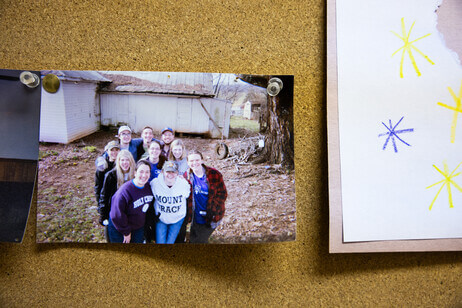
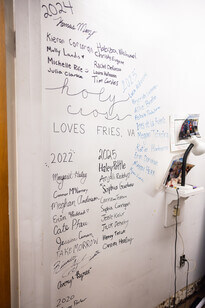
Sitting around tables during the post-church potluck, Larry and another community member, Sam, talk about the volunteer groups that have come through – past Holy Cross students, other Jesuit high schools and colleges, and even a group of retired dairy farmers from Wisconsin. But it’s clear Holy Cross – which has been coming to Barren Springs for at least 15 years – holds a special place. The church walls are full of photos and decorated pieces of wood from past Holy Cross groups; many church members are wearing Holy Cross T-shirts or sweatshirts. 

“Holy Cross, they’re ours,” Larry says, placing a hand over his heart. 

And though this year’s cohort has only been here for less than a day, they’ve already been wholeheartedly welcomed into Barren Springs. 

“The way they talk to us, the way they give us a hug and the way that they treat us, it just feels like we’re part of their community,” Pham says. “They see us as family.”

“I’ve never experienced such open people, people embracing us with such open arms and really welcoming us into their community,” Sawyer agrees.

No work is on the docket for today, so another site contact, Josh, takes the group for a tour. A state trooper, Josh, and his wife, Anna, a Barren Springs native, are raising their children here. Their kids, Ryland and Lily, have grown up with the Holy Cross volunteers, and Josh notes that this week is always the highlight of the spring for 12-year-old Lily. She’s joining the tour as well, because as she puts it, Larry’s in charge of the work, and she and her parents are in charge of the extracurriculars. 

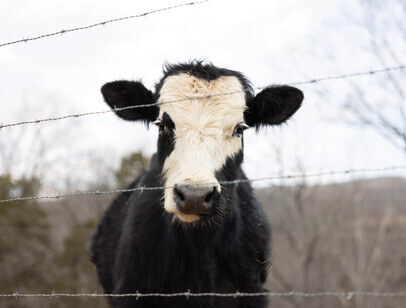
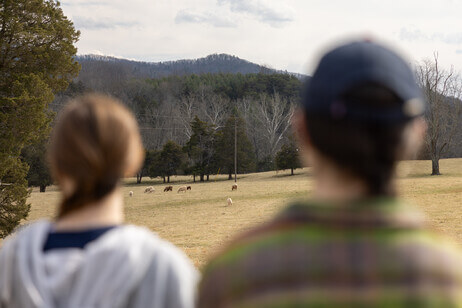
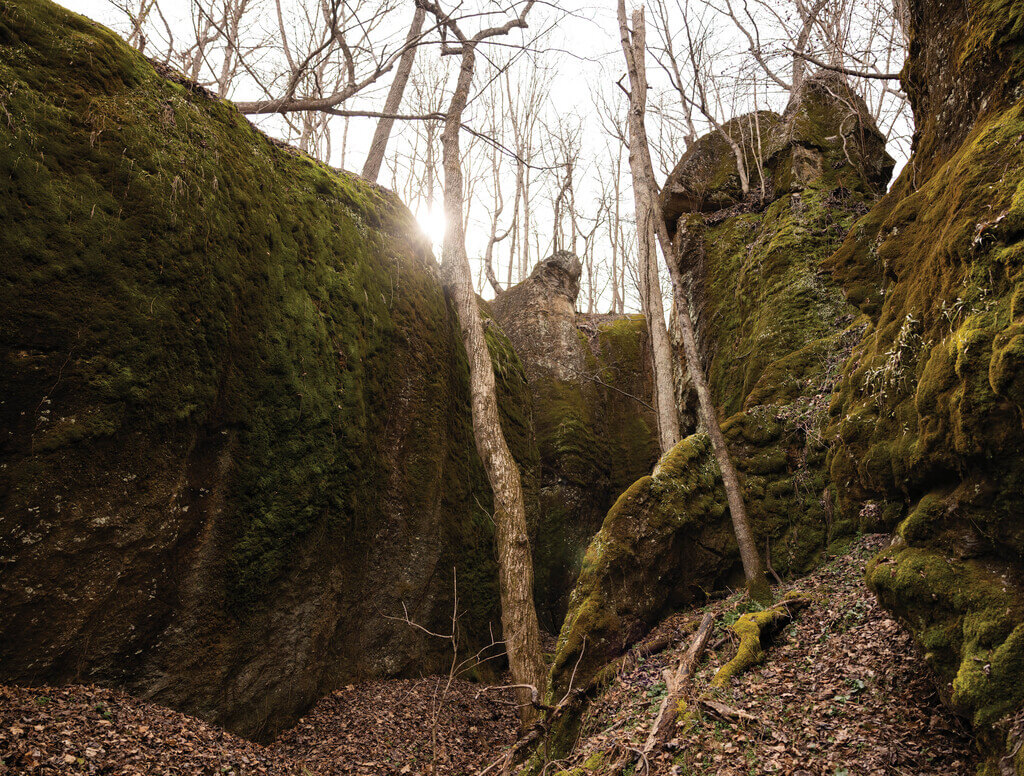
First stop is Josh’s farm, where Lily introduces their three-hoofed bull, nine hair sheep and two dogs who refuse to herd. (Their herds of fully-hoofed cows don’t come down from the pastures to say hello.) Then it’s off to see an original iron ore furnace that’s still standing from the town’s mining days, and a hike through what they call their “Grand Canyon.” It’s a section of land that was once mined for iron by blowing away the dirt and extracting the iron until there was either none left, or demand was gone. What remains are unique rock formations, many covered in moss. It’s a 65-degree day, but when you stand between them, the air instantly cools, the wind quiets, and it’s a moment of peace, awe and bittersweet history.

Image
Path between moss covered rocks
The "Grand Canyon" of Barren Springs.

Moments of pause and reflection are a common theme throughout the week. From bonfires on Josh’s farm and relaxing by the creek to conversations during a drive or over dinner, the Holy Cross students are remembering the importance of presence and connection. 

“I learned how to be more reflective,” Pham says, “how to slow down and communicate with people, be more genuine and be more present.” 

“Josh really impressed on us how you just need to make sure that you’re present in the moment. Enjoy this fire, enjoy the people you’re with, enjoy the creek bubbling,” Telicki says. “Time is so fast. You just need to slow down.”

MONDAY, MARCH 2 
IVANHOE, VIRGINIA 
12 P.M. 

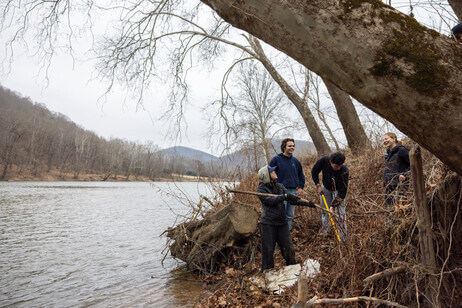
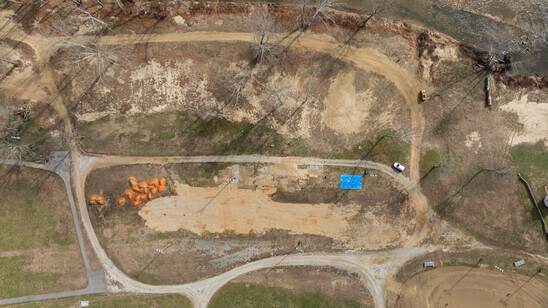
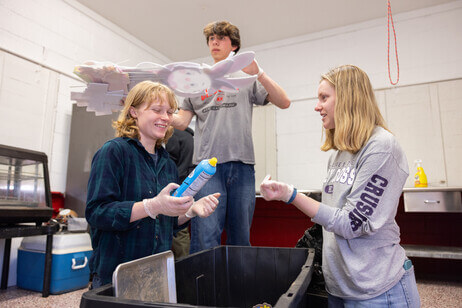
On the banks of the New River, 81-year-old Coy supervises a mix of Holy Cross and Boston College students as they haul trash out of the Ivanhoe Jubilee Park and Show Grounds. Two years ago, this park was the town’s pride and joy. It was home to a concession stand, playground, horse show grounds featuring three shows a year, a trade show and flea market, and event rental space. 

Then came 2024’s Hurricane Helene. 

The New River rose quickly as town members stood watching, trying to decide whether to move their campers, Coy says. The water level eventually reached the roof of the concession stand, then receded nearly as quickly as it flooded, leaving knee-deep mud and debris in its wake. Two years later, they’re still recovering.

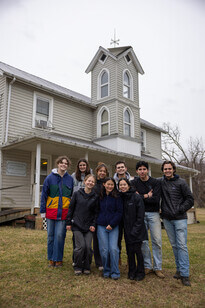
Coy is president of the Ivanhoe Civic League, where nine Holy Cross students, led by Ben Franzone ’26 and Allie Bratlie ’26, are staying, along with a group from Boston College. The civic league is the heart of this 300-person, mile-wide town, which used to be home to a mine, theater, barber shop and all manner of local businesses. Today, the only store in town is a Dollar General. The town and the river are prone to sinkholes. There’s barely any cellular reception, aside from one spot up the road the students have dubbed “Service Hill.” It’s 40 degrees out, gray and drizzling. But the spirits of the students and the civic league members are so high they barely notice the cold.

“Once we arrived, there was a sense of joy in the group,” Franzone says of pulling into Ivanhoe late Saturday night. “The group really opened up as we got there and leaned into ambiguity, and because everyone was so committed to it, it allowed the whole group to just relax and be very comfortable, be very present.”

Holy Cross has been coming to Ivanhoe since 1984: The town was SBIP’s first site in Virginia, and Holy Cross was the first school Ivanhoe ever hosted. For 40 years, the volunteer program in Ivanhoe was singlehandedly run by Phyllis, a resident who passed away suddenly a few weeks before the students’ arrival this year. The town is grieving her loss, but all civic league members step in wherever they can, a constant rotation of scheduling, cooking and organizing site visits as they cycle between their jobs, lives and hosting the group. Along with Coy, there’s Pam, Sue and Penny; Shauna and her teenage daughter Lakin; Brenda, her daughter Tootie, granddaughter Brittany and great-granddaughter Liv; and many others. It’s their first time being involved with the students, they explain, but they are having so much fun. 

“Their entire community was grieving, but they welcomed us with open arms,” Bratlie says. “I’ve never been so warmly welcomed into a place, that all nine of us were just fully integrated into their community.” 

“These people waited for hours to receive us when they didn’t really know what they were getting into,” says Grace Evans ’26, who is participating in SBIP for the first time as a senior. “They jumped into it so willingly and greeted us with such generosity and open arms.”

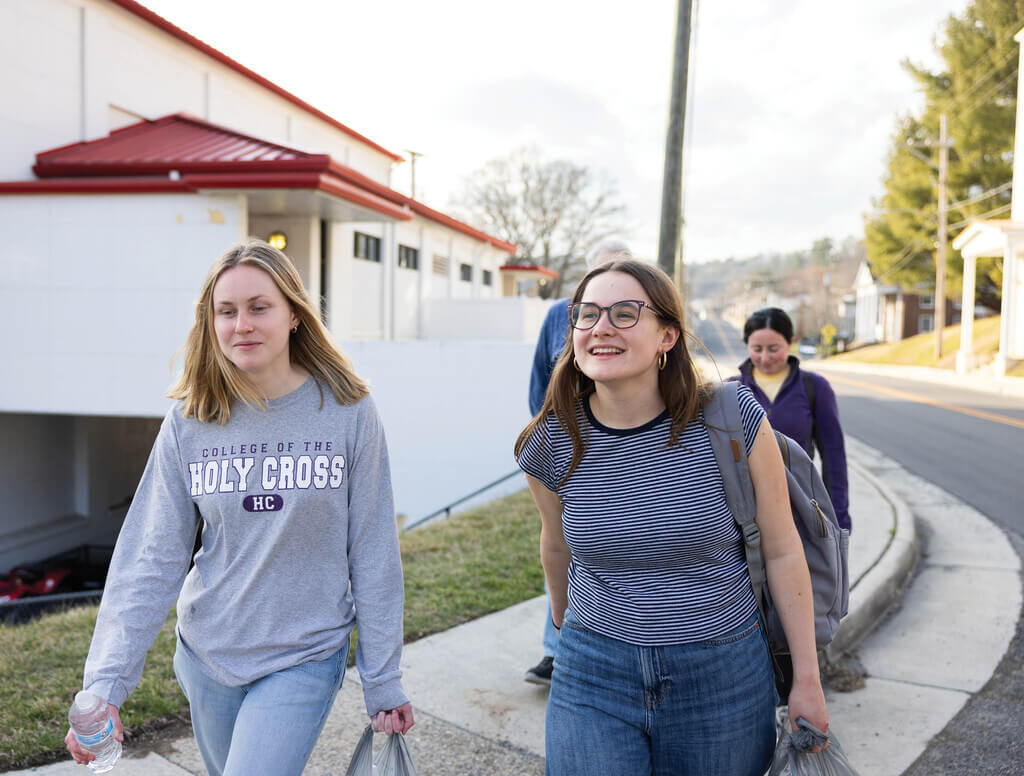
After lunch, Pam and Shauna walk the students down the road to offer a hand at a house where multiple people with disabilities live. But the help may not be welcome, Shauna cautions. The civic league put out a call to residents, asking if anyone could use the students’ help, but not everyone in town is trusting of outsiders or willing to accept help. Eventually, a woman answers the door and asks the group to pick up trash and stack wood at her house and that of her father across the street. An hour or so later, the students have filled piles and piles of trash bags. 

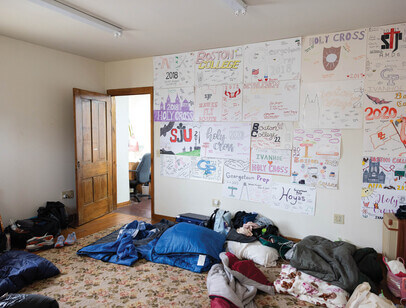
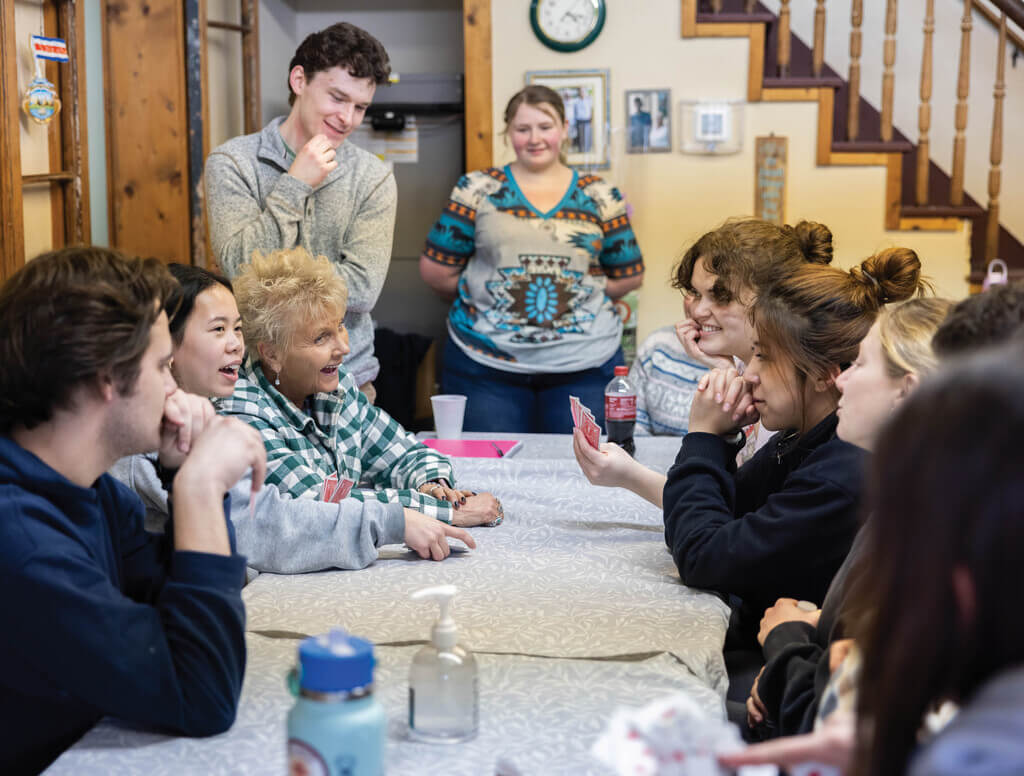
Once back at the civic league to warm up, the students break out card games and teach Pam, Shauna and Lakin how to play Bullshit and Uno No Mercy. The walls are lined with posterboards decorated by each school group that has come to Ivanhoe, and a bookshelf of albums is stuffed with photos and newspaper clippings of past student volunteers across the decades. The air is full of laughter and the warm scents of soup and grilled cheese that Tootie, Sue and Penny are making for dinner. “It was natural that everyone in the group wanted to chat with people,” Franzone says. “And Ivanhoe allowed that to happen. They really made us feel welcomed and comfortable. 

“I think here,” he continues, “immersion is truly the core of what [SBIP] is.”
Image
Group of people playing cards around a table
The Ivanhoe group teaches Pam and Lakin how to play Bullshit.

TUESDAY, MARCH 3 
ROANOKE, VIRGINIA 
11 A.M. 

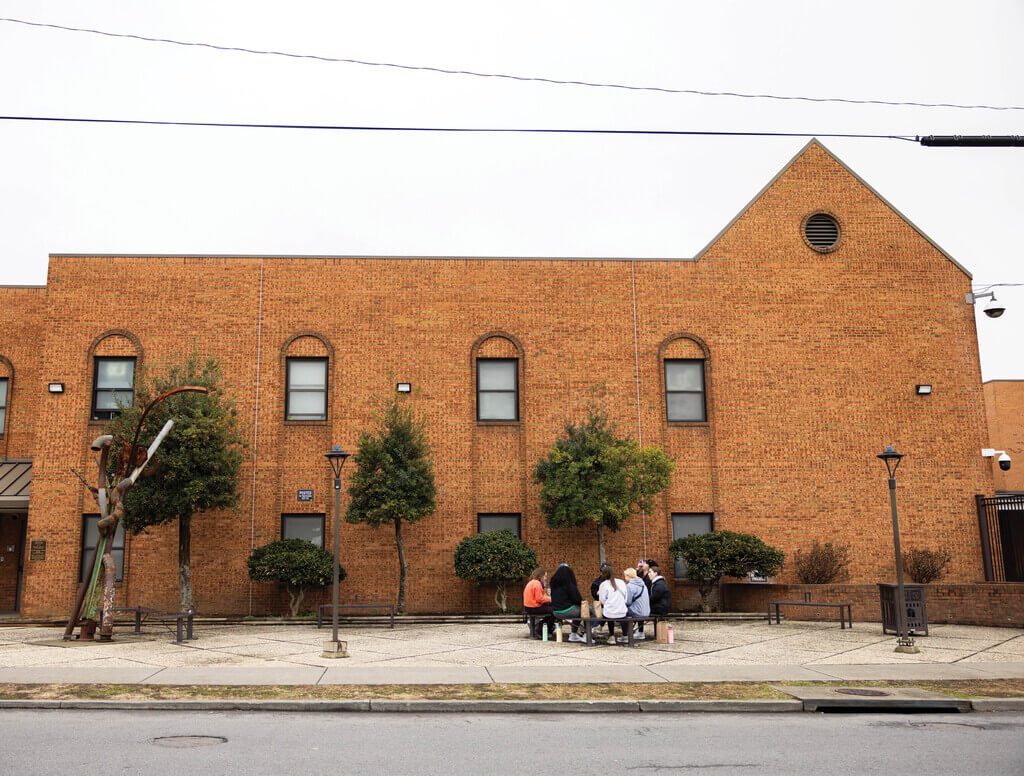
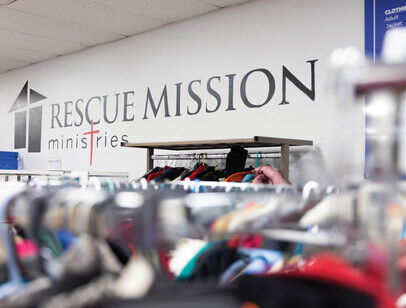
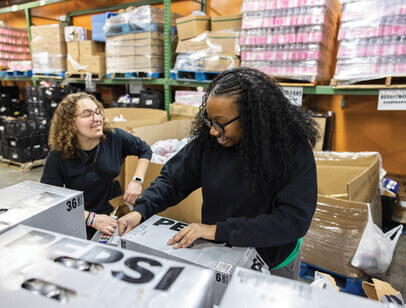
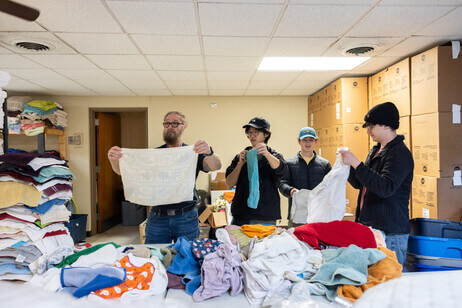
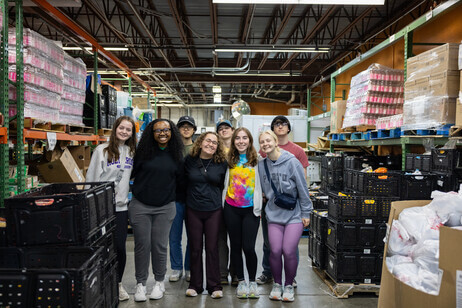
Outside the Rescue Mission of Roanoke, the site’s group – led by Marie Meisner ’26 and Jessie Kielur ’26 – takes a lunch break on nearby benches. The mission is a comprehensive crisis intervention center for men, women and children, offering a range of services from food and shelter to health clinics and recovery programs. The students spent the morning sorting donations in its food pantry, and are getting ready to switch gears to work in the men’s center and thrift shop in the afternoon. 

It’s Holy Cross’ first time in six years in Roanoke, a southwest Virginia city with a population of around 100,000. It’s a much more urban location than the other Appalachian sites, and so the eight students here are spending the week working with a different community: the homeless population. According to a winter 2026 report by the Blue Ridge Continuum of Care, overall homelessness in the Roanoke region has risen as housing and cost-of-living expenses continue to increase. Lack of a support system is the most common factor among the homeless population, according to the Homeless Assistance Program, though addiction is another. And the students have learned that despite having the most restaurants per capita in the state, Roanoke is also a food desert, meaning its residents have limited access to affordable and nutritious food.

Image
Students sitting in front of a building
Outside the Rescue Mission, the Roanoke group breaks for lunch.

Toward the end of their lunch break, two men approach the group and introduce themselves as Curtis and Jamie. 

“Initially, if I’m being honest, it was a little nerve-wracking. I’m from New York City, and growing up in that environment, you’re taught to have your guard up to strangers,” says Alanna Barry ’28, a first-time SBIP participant. “But it was really nice to embrace it, and just be like, these are two people approaching us and sharing their story and that’s OK.”
During the conversation, Curtis and Jamie share more about their lives, their beliefs and their current situations. They call us homeless, Jamie says, but we have a home and it’s in our hearts. 

“That really stuck with me, the idea of a house and a home being two very different things,” Meisner says. “Home is much more abstract and personal, whereas a house is more institutional and structural. We learned that so often people become unhoused because of things beyond their control and it’s not their own fault, and there’s a lot of misconceptions around that. ‘Unhoused’ puts the blame more on the institution.” 
And it’s this conversation that makes the biggest impact on the group, sticking with them long after it ends.

“The really personalized encounter with the unhoused population was something I had never really seen or done or thought intentionally about before,” Meisner says. “Everyone has a story to tell and you just need to kind of sit there and be present with them through that.”

"You Had to Be There"
Marie Meisner '26, Roanoke Co-Leader

Hear Meisner share one of the many stand-out memories of her time in Roanoke.

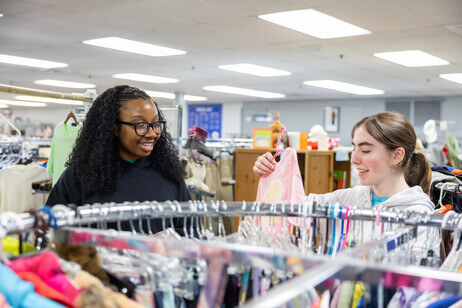
Then it’s back to work. Half the group spends the afternoon sorting textile and toiletry donations in the men’s center, while the other stocks and organizes the thrift store with clothing donations they sorted and tagged the day before. When the work day concludes, students head back to the Gainsboro YMCA, their home base for the week. There, surrounded by twinkle lights, cots and sleeping bags, they hear a presentation by Josh, a representative from the Homeless Assistance Program. And all the dots – of the work they’ve been doing so far, and still have yet to do – start to connect.

For Ian Sykes ’28, that moment came while serving dinner one night at the Rescue Mission. 

“We were all there for a common purpose, which was to put into concrete actions what we were learning about with the homelessness crisis. I talked to some of the people who I was serving, and that was a way of being reminded that this is something that should be treated with care and empathy,” he says. “You have to approach people with empathy and a common human understanding that there is something better than this waiting for them. And our action is sort of foundational to helping them get there. Even though we were only there to do so much, which was, in the grand scheme of things, minimal, it was still very much an impact.”

WEDNESDAY, MARCH 4 
BARREN SPRINGS 
8:15 A.M. 

Fueled by a breakfast of homemade cinnamon buns, the Barren Springs group is ready to start the day. Most are heading to a farm owned by Sam and his wife, Kelly. Their grandson, Tucker, gets the day off from school to join in.

The farm sits on land that belonged to Sam’s grandfather, overlooking the holler. On the land also lives Frankie, who, at 101, is Barren Springs’ oldest resident. Sam says Frankie used to keep her yard and garden well maintained, until she physically couldn’t do it anymore. At 95, she was still trying to mow the lawn herself. 

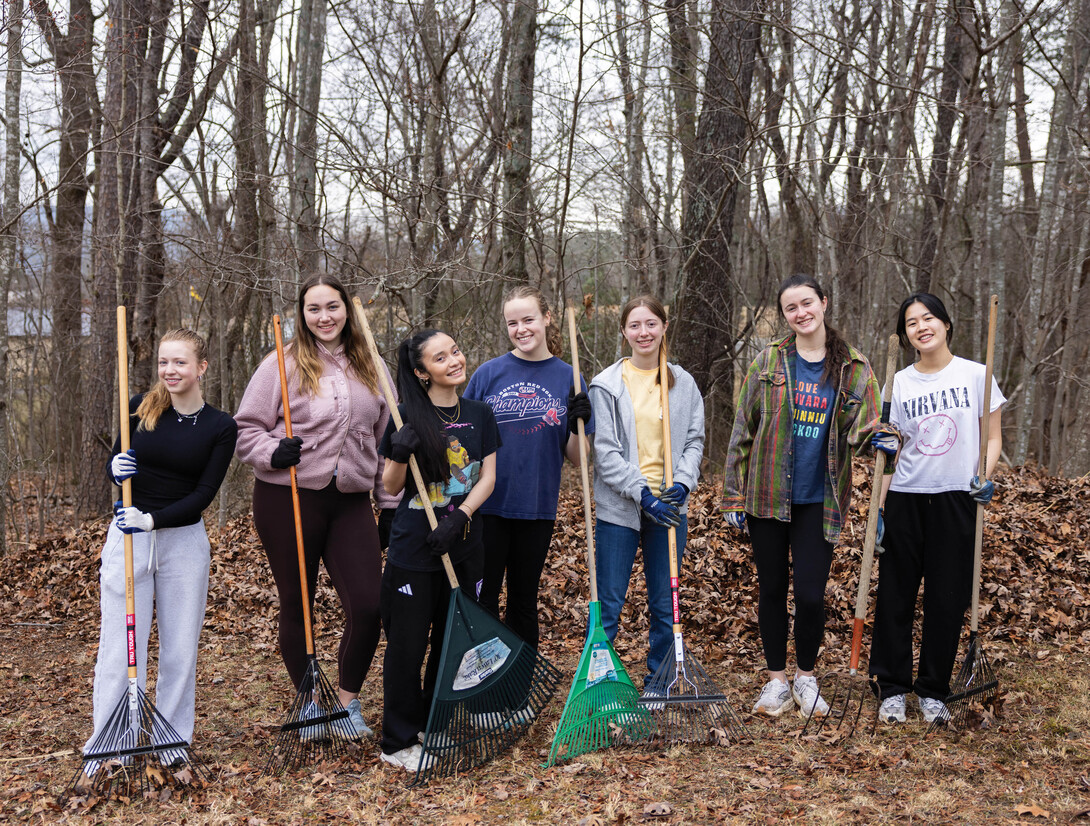
After a quick stop to check on the baby chicks the students helped Sam bring home the day before, the group rakes the bank of Frankie’s yard so her flowers can bloom. Sam divides the students into two groups, sparking a competition about which can fill the most tarps with leaves. They take to it with gusto, but stop keeping track after a while. No one wins – or maybe everyone does.

When the raking is done, Frankie invites the students into her sitting room. Though she is losing her eyesight and hearing, she’s still sharp as a tack, and tells the students about one of her first jobs, for which her pay was a dime. She remembers the volunteers from last year, and asks if these students are the same. 

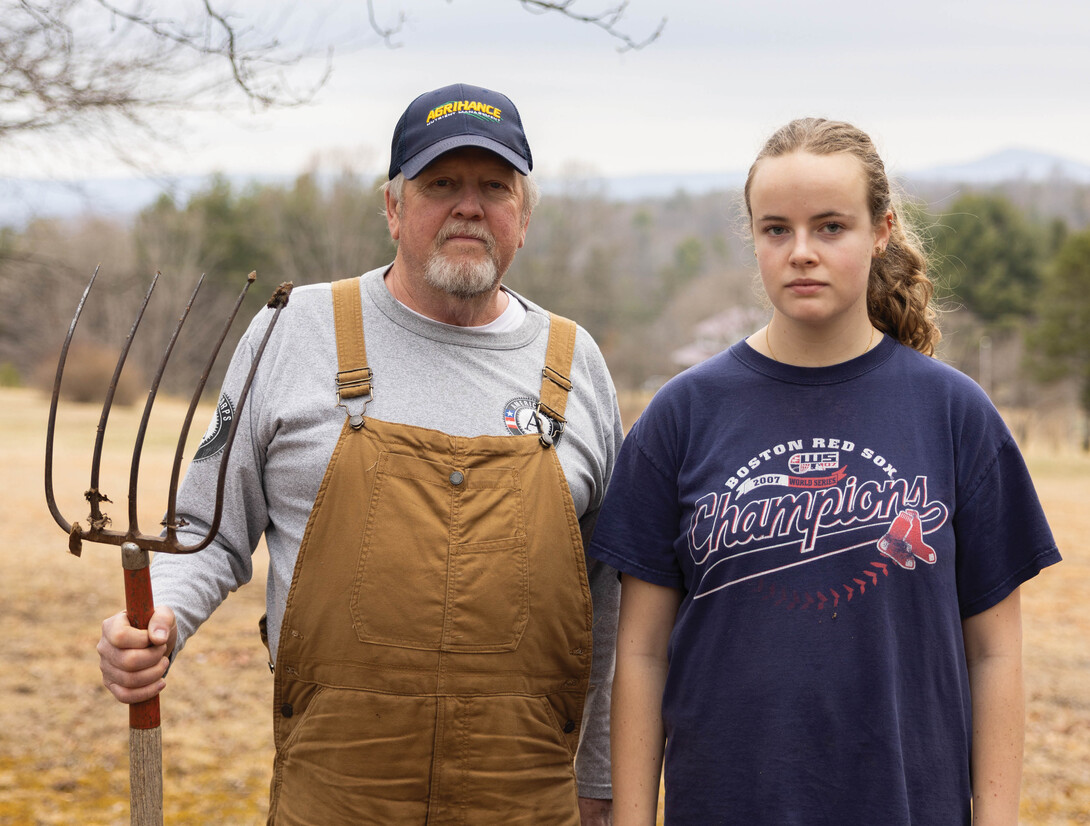
Sam and Kelly have spent the morning sharing stories about past groups and talking about how much they love hosting the students, especially considering the town’s aging population. While watching the group rake, Sam reflects on what the week means to residents. “It’s not about the work,” he says. “We can do the work ourselves. It’s about getting to know each other. Getting to know about us and our way of living.”

Image
A man holding a rake and standing next to a woman
Sam and Allie Sawyer ’26 recreate the painting “American Gothic.”
Image
Group of girls holding rakes
Most of the Barren Springs group, raking leaves for a 101-year-old resident.

“We were raking leaves, but the conversations we had while raking leaves is what actually really affected me,” says participant Maggie Carr ’26. “We were all able to relate to each other on a human level. It didn’t matter if we were so different in terms of life experience.” 

“I finally understood the purpose of spring break immersion, going to this site,” Sawyer says. “The real purpose is having these long conversations with these community members and really just immersing yourself in it. It was so special to be able to spend that time with them and hear their stories and be able to tell them about us. I think that’s what makes Appalachia so special, because even in just a week, you feel like you get to know them, like, you truly, authentically build a relationship with them.”

IVANHOE 
3 P.M. 

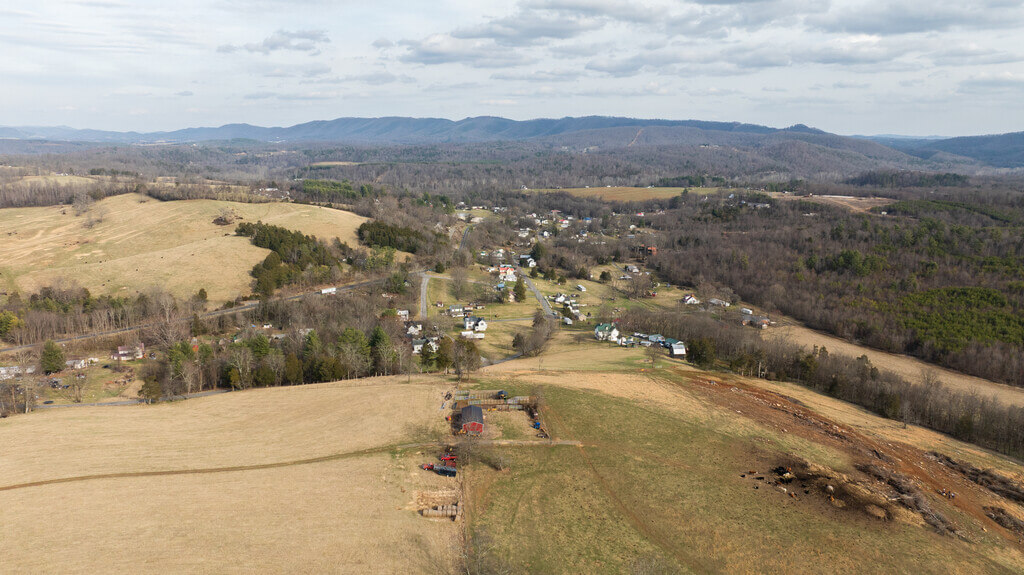
Up in the hills sits a farm that overlooks most of Ivanhoe, including the mill, which closed in the 1980s. It’s warm and sunny – quite a change from Monday’s weather – and the Appalachian Mountains provide a stunning backdrop for the afternoon’s work. 

Image
Town of Ivanhoe and mountains in the distance
The view of Ivanhoe from Jackie's farm.

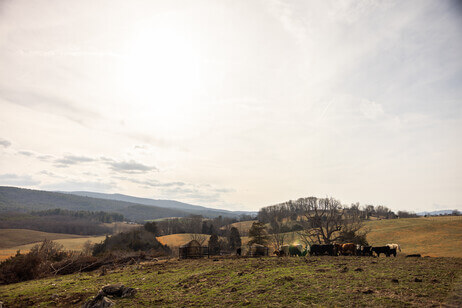
The Holy Cross students are there to help Jackie, who owns the 400-acre farm. It’s been in her family since 1925, along with 90 acres on the other side of the highway, which they’ve owned since 1850.

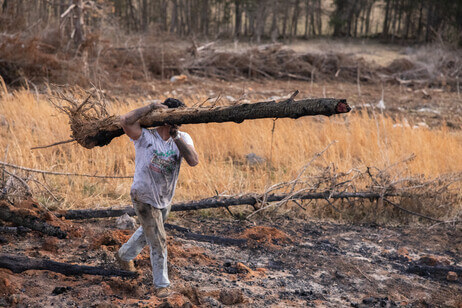
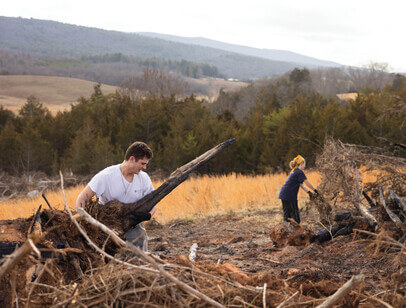
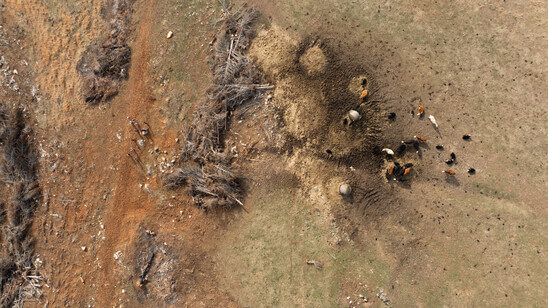
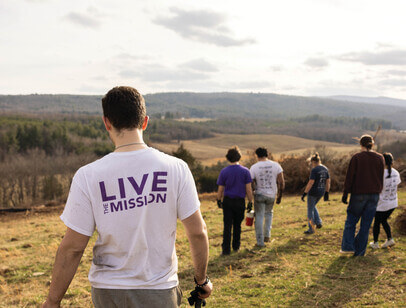
Jackie raises cattle for meat and the students are helping her clear some of the fields to create more grazing pastures. While the group hauls branches, sticks and fallen trees into piles for burning, Jackie explains that she has been working with the volunteers since 1989. Over the years, she’s heard many say that their favorite day of the week is working on her farm, and that warms her heart. Looking at this year’s students – currently covered in ash from previous burn piles and having the time of their lives – it’s easy to see why.

Jackie says it’s incredible that the students choose to come here for spring break. And it’s always sad when they leave, and the lights are turned off in the civic league. 

It’s a sentiment echoed later that night, after a dinner of Southern biscuits and gravy, when the students hear a presentation about Ivanhoe’s history as a forgotten mining town. Don’t forget us, urges Gina, the presenter. 

“It made me think about [how Ivanhoe] was kind of a forgotten town, but the people there are so vibrant and give it so much life. It was interesting to think about because we’re going back to a completely different part of the country, but we still have a piece of Ivanhoe with all of us,” Franzone explains. “I don’t want this trip to be like, we went there, it happened, and we’re done. We’re already talking about, ‘What if we went back?’”

Gina’s 2-year-old daughter sits on Evans’ lap for the entire presentation. The bond Evans formed with the toddler – and the others in Ivanhoe – has inspired the way she wants to build relationships with others, and already helped the senior make two major life decisions for her future: to work with informal workers while completing a Fulbright in Argentina, and to have children of her own one day. “My purpose is not just for myself,” she says. “I’m just super encouraged by the relationships that were there and also inspired to form my own.” 

Juan Cortes ’27 was similarly moved by the close-knit bonds he started to build and those he has witnessed between community members.

“The moments which really impacted me personally were moments of very vulnerable interaction. It wasn’t going out and doing anything. I was just sitting there and talking,” he says. “I think a lot of these people had a lot of vulnerability with us and they were willing to just talk.”

THURSDAY, MARCH 5 
IVANHOE 
9 A.M. 

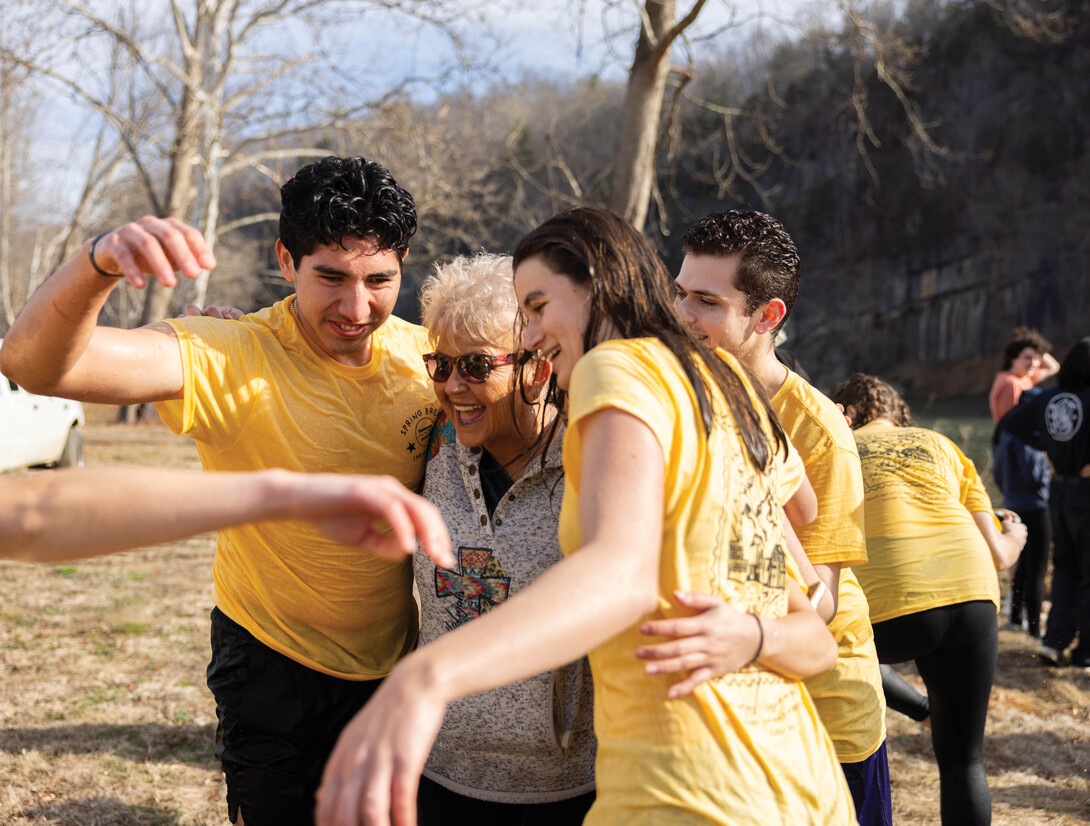
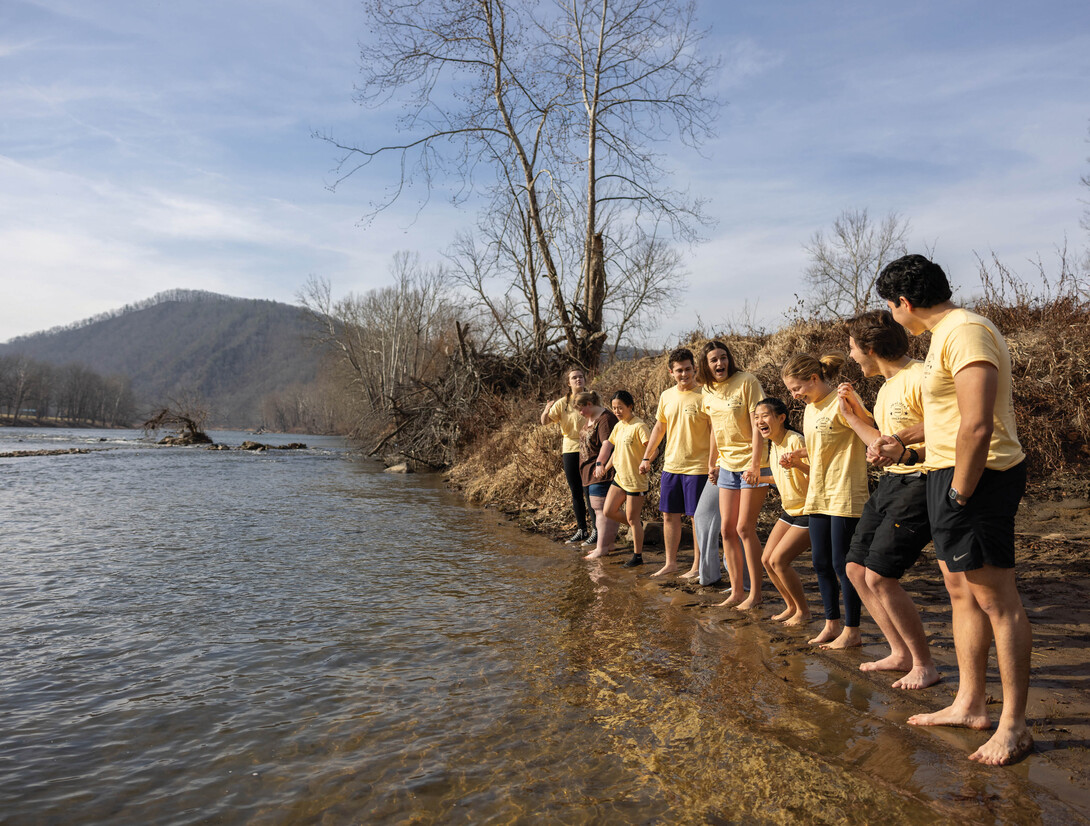
A white minivan pulls into Jubilee Park, stopping right on the banks of the New River. The song “Mystical Magical” by pop-rock singer Benson Boone – the group’s theme for the week – is blaring through the vehicle’s open windows. Students pile out in their yellow SBIP T-shirts, shouting good mornings to the civic league members waiting for them. It’s time for an activity the group has been planning all week: the Ivanhoe Plunge. 

On Sunday afternoon, their first full day in town, the group sat along the river, enjoying the sunshine and bonding. They joked about going for a swim. Somewhere over the course of the week, the idea became a plan — the way they wanted to mark their final day in Ivanhoe.

The Ivanhoe Plunge
Allie Bratlie '26, Ivanhoe Co-Leader

Hear Bratlie talk about what it was like to jump in the New River to mark the end of their time in Ivanhoe.

In the summer months, residents bring their chairs and sit on the riverbank. It’s a beautiful place to spend an evening or a weekend. But today it’s March, and while the morning promises a hot and sunny day, the water has yet to warm after the winter. Civic league members can’t believe the students are going to jump in, but they’ve all turned up as promised to watch. Penny, Shauna, Lakin, Pam and Coy are there, as is the Boston College group. Pam has opted not to jump in solidarity, despite the students’ repeated requests all week, but at the last minute, Lakin takes her place. 

The students grab each other’s hands, and on the count of three, plunge into the New River together.

Some only go in up to their knees or waists, but most dunk all the way under. They’re freezing, but exhilarated. The residents and Boston College cohort cheer from the banks; music is blaring. As the group wades out and starts to dry off in the sun, a dance party breaks out. It’s a joyful way to begin their final day in Ivanhoe.

Image
Students hold hands on the riverbank
Preparing to plunge.
Image
Two students hugging a woman
Pam was ready to join the post-plunge dance party, if not the swim itself.

FRIES, VIRGINIA 
6:30 P.M. 

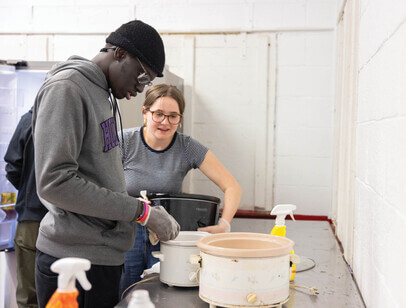
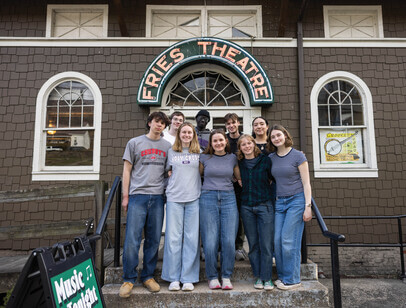
A Holy Cross flag flies outside the Fries Community Center, about 20 minutes south of Ivanhoe. The center has been home base all week for the Fries group, led by Keara Papa ’26 and Julia Weir ’27; it’s where they’ve been living and working, from cleaning to participating in yoga and playing bingo with residents. It’s also the beating heart of Fries.

Pronounced “freeze,” the town was founded on the New River in 1900 as the site of a cotton mill. In its heyday, it was home to 3,000 people, most of whom worked at the mill. In the 1920s, the community center was built to provide a recreation and gathering space for mill employees. A pool was added in the ’40s; an original duckpin bowling alley is in the basement, though currently out-of-use. The building is still heated by coal.

“A couple community members spoke to us about what the community center represented for them,” Papa explains. “They talked about how busy it used to be, how much used to go on there, with so much pride not just in the current state of the community center, but what it also has represented historically for the town.”

In the 1980s, the railroad to the mill closed, and the mill shut down shortly afterward, explains Daniel, who is the group’s unofficial tour guide for the week. Today, the town is home to about 400 people, with far fewer young people compared with previous decades. Fries Elementary School remains, but the middle and high schools are an hour away, and most sports leagues are run through the county. And like many other towns in the region, including Ivanhoe, drugs, such as fentanyl and meth, have become major problems. 

But Fries remains a close-knit community. Of the 400 residents, Daniel explains, some have lived here their whole lives, some move away and later return to family homes, and others, like Daniel, retire here from Winston-Salem or Charlotte, North Carolina. For these residents, the community center runs programs such as yoga, bingo and kids music, with hopes to reintroduce youth sports and additional events in partnership with the town library, says Alicia, community center president, who spent much of her childhood in Fries and is now raising her daughter here. She has a long list of ideas and projects, and the students have spent the week helping her cross them off – organizing closets, rearranging gym equipment, cleaning the kitchen and the concession stand, and attempting to fix the jukebox. Though Holy Cross has been coming to Fries for at least 10 years, it’s Alicia’s first year working with the students, and she’s impressed by how quickly they’ve gotten things done. Daniel, who’s been helping with the program since 2020, says that’s the hallmark of the Holy Cross students. You can trust them, he says, because they work hard, they’re honest and they want to be here.

“I feel so grateful that we were able to stay in the spot that we were helping to serve, that we were able to really see what the community center is,” Weir says.

Alicia has also made sure that this year, residents have interacted with the students and vice versa, more than ever before. A different group or church has cooked dinner or dropped off baked goods every day. While walking around town, students know several people by name and wave to those they don’t.

“You start off and you don’t know anyone there, and then it’s very easy to get to know people in Fries. I really loved that, especially being from such a different environment,” says first-time participant Fiona Greaney ’29, who is from Manhattan. “I feel like I met people there who I know better than the neighbors that live in the apartments next to me at home, which is really beautiful.”

"I Had Never Seen a Cow"
Fiona Greaney '29

Hear Greaney tell the story of how the Fries community helped her meet a cow for the first time.

In fact, once people found out that Greaney had never seen a cow, they quickly arranged a farm visit for the group so she could get the opportunity. “All of these people coming together to make this happen for us, for me … they make you feel so welcome and special,” she says. “All of the care that went into this experience has really stuck with me, and I want to pay that forward to the people in my life and even the people who aren’t in my life. What can I do for the strangers around me to give the same kindness that Fries gave to me?”

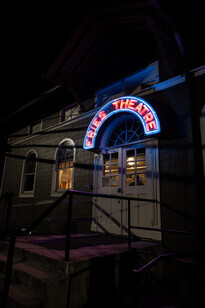
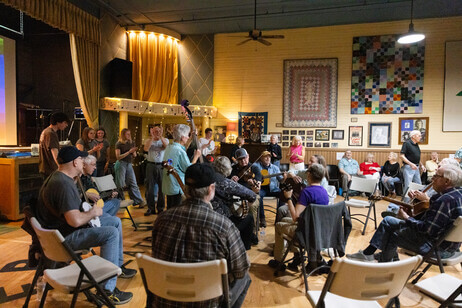
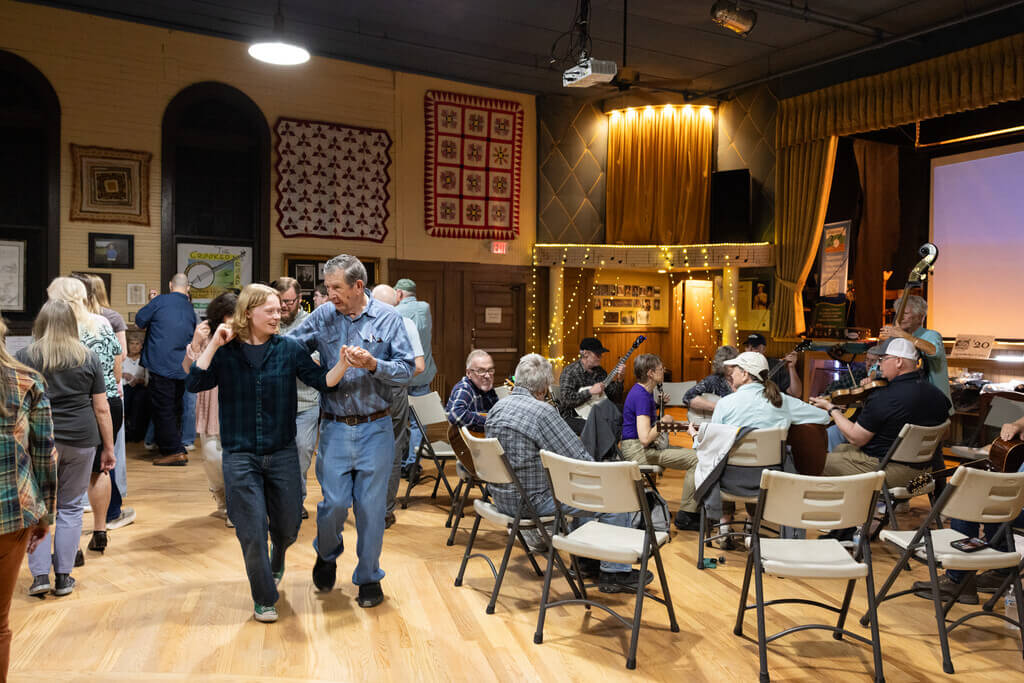
In addition to the strong bonds among residents, the town is also leaning into tourism, thanks to its location on the New River Trail – a 45-mile biking/ running path, and the reason many, like Daniel, come to visit or retire. The Historic Fries Theatre, located next to the community center, is a stop on the Crooked Road, Virginia’s heritage music trail, which spans 330 miles across the state. It’s this spot where the group finds themselves tonight, for the weekly Thursday Night Old-Time Jam.

An evening of old-time music and community gathering, the group has been looking forward to this event all week. Locals file in, grab hot dogs and catch up with each other. People of all ages carry banjos, guitars and fiddles, and set up in a group at the center of the floor. As the sounds of old-time music – the predecessor to bluegrass – start to fill the room, community members invite the eager students onto the floor and teach them how to dance flatfoot – a traditional two-step style of folk dance.

Image
People dancing in a circle
Fiona Greaney '29 learns flatfoot from a Fries community member.

“I looked like I had no idea what I was doing and an older man was like, ‘You can come join me,’” Papa says. “We danced around the circle and he told me all about his life and his siblings and his family, and it was a really fun experience.” 

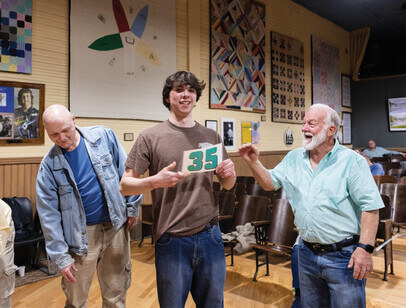
After an hour or so of dancing, the community jam comes to a high point with a cakewalk. Similar in style to musical chairs, everyone walks in a circle until the music stops, and then finds a card to stand on. If the number on your card is called, you win a cake or other dessert. (At least three Holy Cross students win.) They also sing “Happy Birthday” to various community members, and to Papa, whose birthday was earlier in the week.

“By that point, we had met most of the people who were there at the jam night. They knew our names and I knew some stories about all of them, so it was really great seeing them all together and being able to participate,” Greaney says. “That was peak immersion. It really felt like we were part of the community.”

Fries isn’t the only group marking the final evening with a special occasion. In Roanoke, they’re having a ceremony at the YMCA. Barren Springs and Ivanhoe are having bonfires. All are soaking in their final hours of fellowship with the communities they have come to love and reflecting on the moments that have transformed them over the past week. The deep conversations held over a meal or a task. The late-night reflections. The inside jokes. The tears. The laughter. The meaningful bonds built between strangers – and the lasting memories they will carry home.

FRIDAY, MARCH 6 
ROANOKE 
8 A.M. 

A beautiful early spring morning dawns at the airport, where the four groups gather to return their rental vans and wait for their bus back to Worcester. Ivanhoe arrives first, having risen at 4:50 a.m. so they could stop at Waffle House for breakfast on the way. Fries, the site furthest from the airport, saw the sunrise on the drive in.

After a week away, everyone is exhausted and running on adrenaline, but sad to leave. As students pile their bags on the airport curb, the atmosphere is full of chatter and laughter, despite the early hour. Some see their friends from other groups and start to trade stories about the week and the people they met. But they also stick close with new friends from their groups, reminiscing and planning costumes for tomorrow night’s bowl-athon. Once again, they’re asking each other how much sleep they got last night. But this time, the late bedtimes – 12:30 a.m., 2:30 a.m., 3:30 a.m. – are not due to anxiety or last-minute packing. It’s because no one wanted the week to end.

They’re also wearing signs of the communities they joined: Sawyer is wearing a Barren Springs volunteer fire department hat. The entire Roanoke group is decked out in T-shirts and sweatshirts from Habitat for Humanity, where they spent their Wednesday; one participant even bought a chair. Bratlie wears a cowboy hat gifted by Pam, while Evans and Franzone have donned hats featuring the names of Pam’s horses.

Image
River with a dam
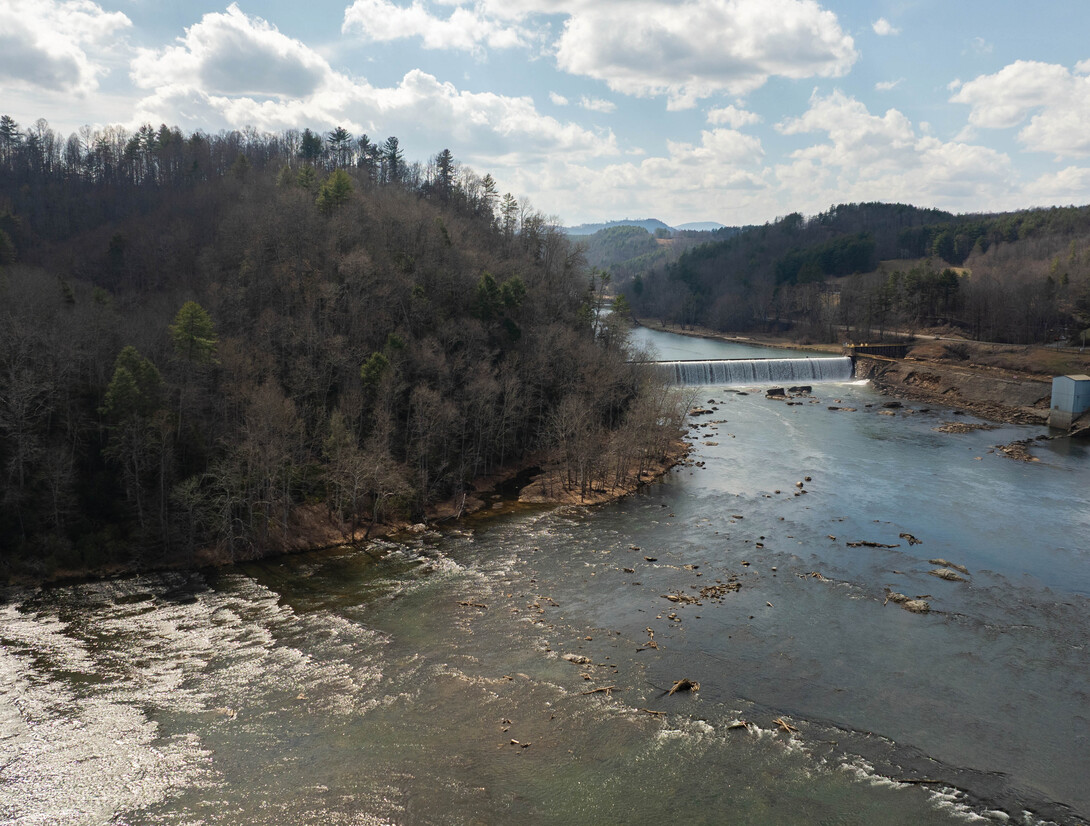
The New River runs through three of the four Virginia SBIP sites: Barren Springs, Ivanhoe and Fries (pictured here).
Image
Aerial view of Roanoke
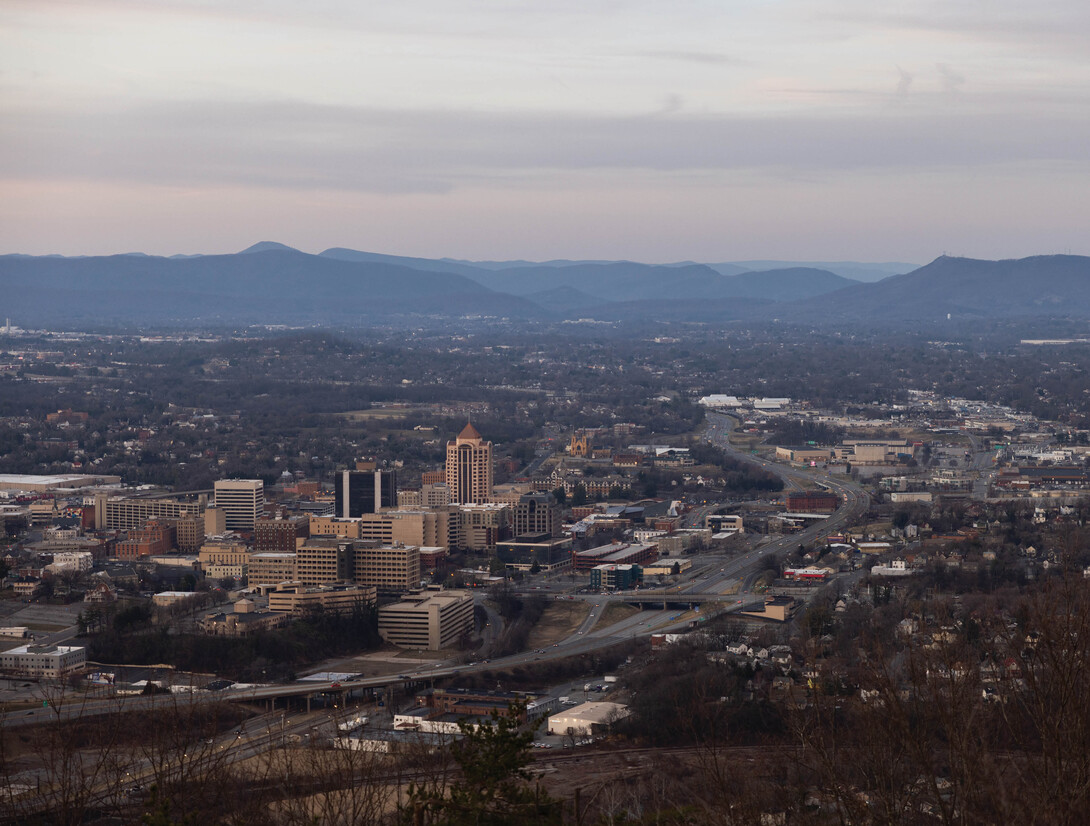
Roanoke at sunset. Each of the sites may look different, but all offer life-changing experiences.

Energy remains high as students load their bags onto the bus and find their seats. Groups sit together, holding on to their week as long as possible. This time, it takes much longer for the bus to quiet down, for the students to fall asleep, write in their journals or catch up on homework. 

The bus won’t pull onto Mount St. James until 11:15 p.m., where all will be disappointed to see snow and most will be a little slaphappy from the late hour. The groups will gather their bags and disperse to their dorms to catch up on much-needed sleep. Saturday night, they’ll reconvene with the 70 other SBIP participants for a welcome back dinner and bowl-a-thon. Classes will resume on Monday, and they’ll step back into the daily rhythms and routines of life as a college student. 

But while these seven days may technically be ending, the ripple effects created are only just beginning.

Collectively, the groups are making plans for weekly dinners or attending their new friends’ events. Some participants have been motivated to participate again next year; others have been inspired to pursue service-oriented roles after graduation. But, most importantly, the students are bringing back new perspectives on life.

“I feel like the biggest takeaway for me of the trip is to slow down and really be present, be intrigued in what people have to share,” Pham says. “It’s more of being genuinely interested rather than being interesting.” 

“Thinking of Ivanhoe really brings out the importance of being simple and having a simple life. [One of the community members] said, ‘My 9 to 5 is just living,’ and I need to take a little piece of that and integrate that in my life,” Bratlie says. “There’s nothing wrong with being content where you are right now and just enjoying life.”

“It made me reflect on my priorities in life. In the Northeast, it feels like everything is go, go, go. In Barren Springs, it made me think more about how important family and friends are. The most important things in life are the people around you and who you love – they really made me think about that more,” Carr notes. “And also being more selfless. Have you checked in on the people you love? More than just knowing that they’re there for you? Are you there for them?”

“People will be welcoming, and people will be kind. Those were my two main takeaways, of both the other participants in the group and the people who I met in Fries,” Greaney says. “It’s a great community on both ends. You come out with not only, say, another five friends from Holy Cross, but another 50 friends from Fries.” 

These perspectives will follow the students wherever their paths lead next. Those who participate in SBIP again will likely be placed at another site. Those who are able to return for a visit know that while the experience may be equally fulfilling, it will never be exactly the same. The seven days they spent in community with these four towns deep in Virginia are sacred, but fleeting. Now it’s up to the students to bring the lessons they learned and relationships they built with them into the future, to make the impact last long after this week ends. 

It’s only seven days. But it’s also a lifetime.